 Yatishara Blog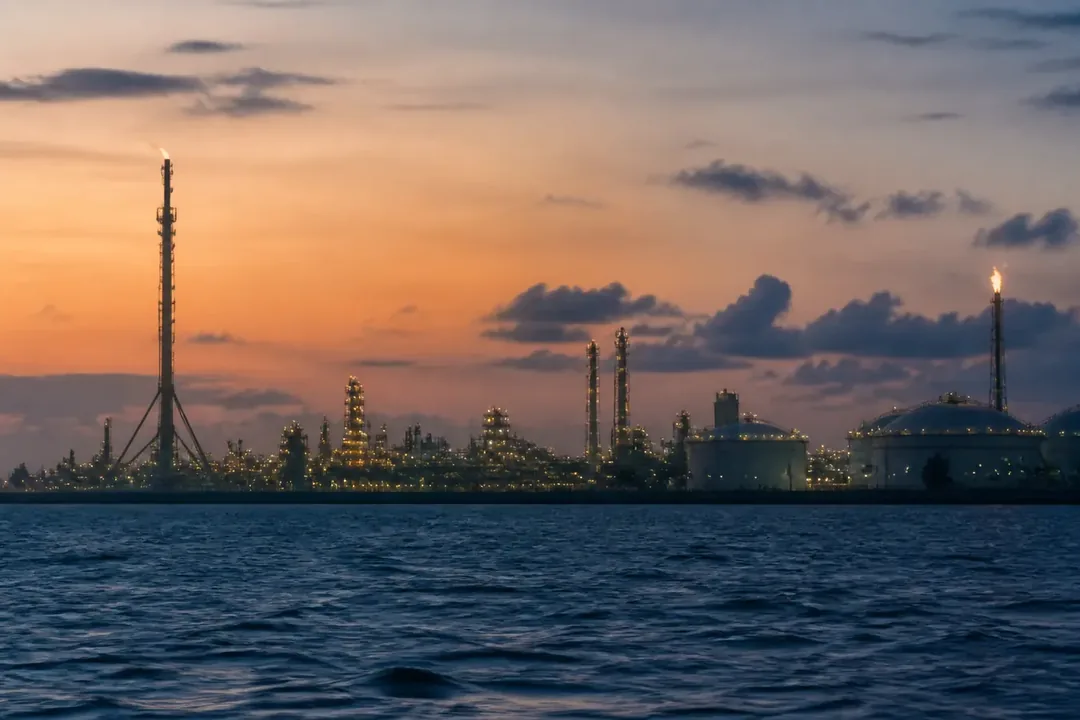
Why Trinidad and Tobago still anchors Caribbean energy and industrial power
Natural gas, Atlantic LNG, Point Lisas petrochemicals, and a gas-fired grid keep T&T the region’s industrial heavyweight. What that means for power-hungry compute and creative production ops in 2025–2026.
Trinidad and Tobago is not the Caribbean’s largest tourism brand. It is still the region’s densest energy and industrial platform: gas production, LNG export trains, methanol and ammonia complexes, a port-industrial estate on the west coast, and a national grid built around natural gas rather than diesel islands. That stack is under real strain in 2025 and 2026. Feedgas is tight. One Atlantic LNG train is headed for removal. Downstream plants compete with export LNG for molecules. The useful story is not nostalgia for the boom years. It is why the infrastructure still matters for every other industry that needs stable power, industrial logistics, and a place to run heavy ops in the English-speaking Caribbean.
The industrial thesis in one line
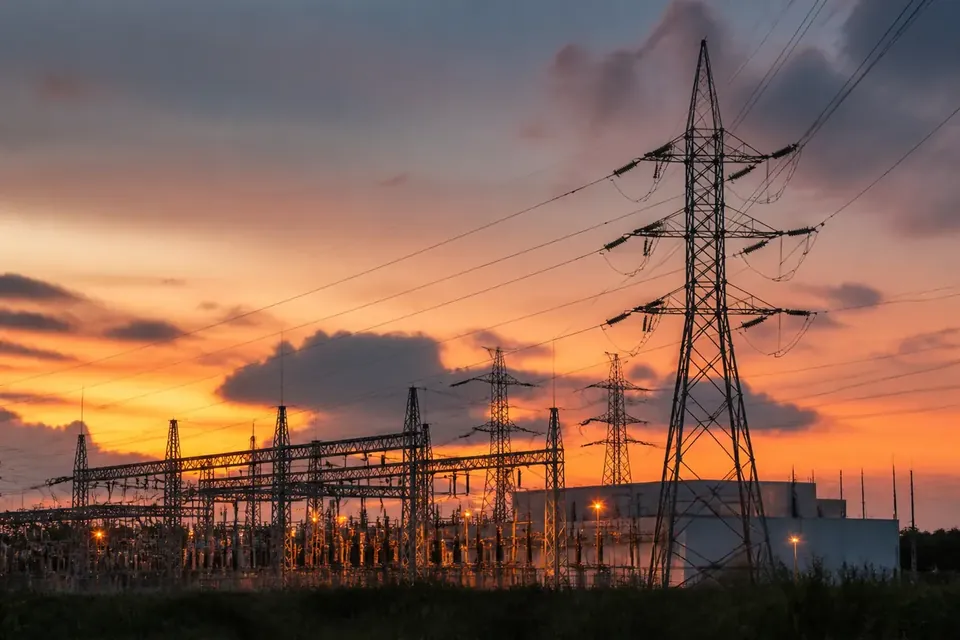
Most Caribbean economies import refined fuels, burn diesel for electricity, and treat heavy industry as someone else’s problem. Trinidad and Tobago built the opposite: monetise natural gas at home, sell LNG abroad, feed petrochemical plants at Point Lisas, and run a single national electricity grid on gas-fired independent power producers. The Ministry of Energy and Energy Industries describes generation as primarily from natural gas, with T&TEC focused on transmission and distribution while Independent Power Producers supply bulk power into one grid.
That architecture is why Port of Spain, Point Lisas, and La Brea show up in energy trade reporting in a way Bridgetown or St. John’s rarely do. Energy here is not only an export PR line. It is the base layer for factories, data rooms, studios, cold chain, and 24-hour services that cannot survive multi-hour island blackouts as normal operating cost.
Atlantic LNG: Latin America’s flagship liquefaction plant, constrained
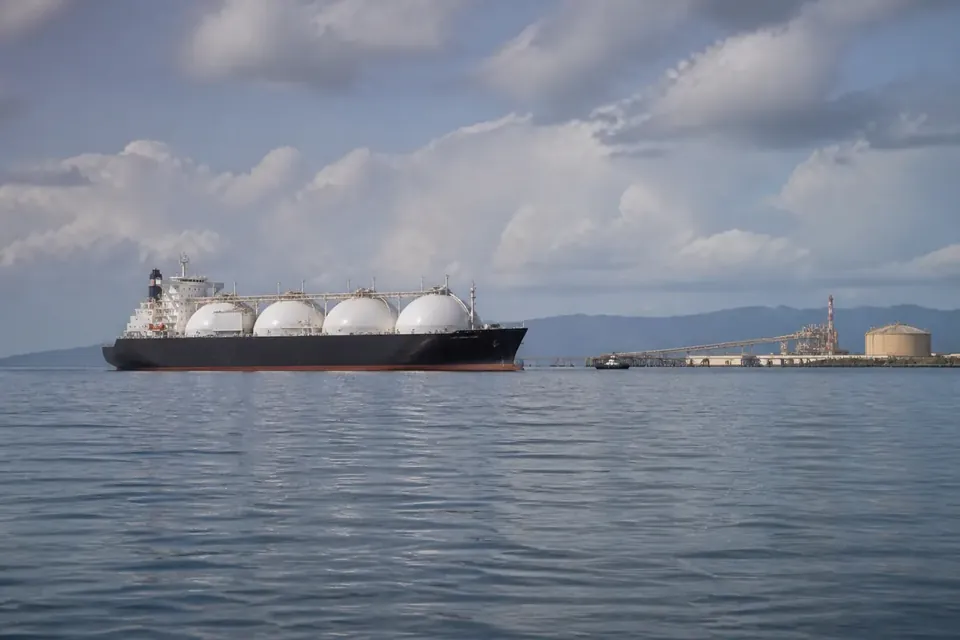
Atlantic LNG at Point Fortin remains the country’s signature gas monetisation asset. The Energy Chamber of Trinidad and Tobago, drawing on Ministry of Energy Consolidated Monthly Bulletins and Central Bank data, reported LNG production rising to 17,594,130 cubic metres in 2025 from 16,634,427 in 2024, about a 5.8 percent year-on-year increase and the first annual rise since 2022. Output is still far below mid-2010s peaks near 29 million cubic metres. See the Chamber’s summary at energynow.tt.
Reuters reporting cited in the same Energy Chamber piece puts 2025 LNG exports around 9 million tonnes against roughly 12 million tonnes per annum of nameplate capacity, with gas supply as the binding constraint. In January 2026, Reuters reported that Atlantic’s shareholders agreed to begin removing Train 1 in the fourth quarter of 2026. The train had already been idle for more than a year; shareholders including Shell, bp, and the National Gas Company cited shortage of gas and Train 1’s lower efficiency among the four liquefaction units (Reuters, 27 January 2026).
The commercial frame also reset. Atlantic moved toward a unitized structure after years of negotiation among government, bp, Shell, and NGC. Reuters coverage in 2025, as summarised by the Energy Chamber, linked revised LNG contracts to higher government take. The plant is not “finished.” It is running below capacity while the country races new gas into the system.
New gas projects: the 2027–2028 horizon
Near-term supply names now dominate official talking points. The Energy Chamber notes bpTT’s Cypre Phase 1 onstream in 2025 at a peak of about 350 million standard cubic feet per day, Mento (bpTT/EOG) targeting about 250 mmscf/d at peak, Ginger and Coconut expected in 2027, and Shell’s Aphrodite also aimed at 2027. Shell’s Manatee FID, with first gas expected in 2027 and peak output revised toward 1 bcf/d, sits at the centre of the medium-term story (Energy Chamber / energynow.tt).
Separately, Trinidad Express reported in August 2026 that Prime Minister Kamla Persad-Bissessar said bp agreed to sell NGC a 20 percent stake in the Trinidad side of the cross-border Cocuina-Manakin field. Reuters figures cited in that piece put reserves around one trillion cubic feet, with about 70 percent of project gas earmarked for Atlantic LNG and 30 percent for petrochemicals (trinidadexpress.com). Those are political and commercial claims still moving toward final investment decisions. They matter because Atlantic’s spare liquefaction capacity only pays when molecules arrive.
Point Lisas: the petrochemical estate that made the model
The Ministry of Energy’s petrochemicals page places the hub of the country’s petrochemical industry at the Point Lisas Industrial Estate, governed by Point Lisas Industrial Port Development Corporation Limited (PLIPDECO). Ministry materials on gas-based industries list a dense plant map historically: multiple ammonia and methanol plants, urea, DRI modules, LNG trains, and power generation sites sharing the same gas economy (MEEI LNG & petrochemicals).
PLIPDECO describes an 860-hectare estate with more than 100 tenants: world-class methanol, ammonia and urea plants, steel, power, light manufacturing, plus the Port of Point Lisas as the country’s second major port for containers, break bulk, and industrial cargo (Ministry of Works / PLIPDECO summary). That co-location of feedstock, plants, power, and port is the industrial advantage smaller islands cannot copy with a tourism pier and a diesel genset.
The 2025–2026 stress is feedstock allocation. BNamericas reported Methanex idling its Titan plant and described Trinidad as an “extremely tight gas market” where LNG, ammonia, and methanol all run below nameplate. Ministry data cited there for January–November 2025 put LNG as the principal gas user at nearly 47 percent of consumption, followed by ammonia (19 percent), methanol (18.6 percent), and power generation (11 percent) (BNamericas). Energy analyst Thackwray Driver, quoted in that piece, warned that if plants exit before new gas arrives around 2028, capacity cannot simply be switched back on. Point Lisas is still the Caribbean’s industrial core. It is also competing molecule-by-molecule with LNG export value.
Power generation: why reliability still beats most island peers
Electricity is where the energy story becomes infrastructure for everyone else. According to the Ministry of Energy electric power overview, T&TEC runs transmission and distribution on a single national grid. Generation sits with IPPs and state plants: Powergen (Point Lisas 838 MW, Port of Spain 270 MW, Penal 236 MW), Trinity Power at Point Lisas (about 225 MW), Trinidad Generation Unlimited’s 720 MW combined-cycle plant at Union Estate in La Brea, plus Tobago facilities at Cove (65.6 MW dual-fuel) and Scarborough standby diesel.
An Energy for Growth Hub review of Trinidad and Tobago’s electricity sector notes that the country has long had some of the lowest electricity tariffs in the Caribbean and Latin America, with generation almost entirely gas-fired, and that the IPP unbundling improved reliability relative to the pre-unbundling period (Energy for Growth Hub PDF). The same paper flags the risk of continued gas dependence, tariff stagnation pressure on T&TEC, and the need to diversify the generation mix. Nationwide blackouts in 2022 from transmission issues are a reminder that “better than diesel islands” is not the same as perfect uptime.
Compared with many CARICOM peers that lean on expensive imported liquid fuels and thin reserve margins, Trinidad’s gas-to-power model still delivers a different operating baseline: larger installed capacity, industrial-scale plants, and tariffs that historically underwrote manufacturing and continuous commercial load. That relative edge is why studios, rendering farms, colocation rooms, call centres, and night-shift production houses treat T&T as a practical base even when fuel and gas politics are noisy.
Energy as infrastructure for compute and creative production
Caribbean creative and digital work is usually discussed as talent and culture. It is also a power product. GPU renders, continuous cloud sync, live edit suites, overnight batch jobs, and agency war rooms fail when the grid is intermittent or diesel is the default cost of doing business. Trinidad’s industrial energy stack does not make every office a data centre. It does mean that power-hungry ops can plan around a gas-fired grid and industrial estates that already host continuous process plants.
That framing belongs next to diversification policy, not only oil PR. Global Trinidad and Tobago, the investment promotion agency formed in April 2025 by merging InvesTT, exporTT, and CreativeTT, lists renewable energy, creative industries, agribusiness, and maritime among growth areas (UNCTAD Investment Policy Monitor; globaltrinidadandtobago.com). Film rebates and music workshops still need reliable power, ports, and payment rails. The Future Caribbean buildathon track is another place this blog treats energy, compute, and regional building as one stack rather than separate press releases.
Operators reading this desk should separate three layers:
- Molecules. Upstream decline, Cypre/Mento/Manatee/Cocuina-Manakin timelines, and NGC allocation between LNG, petchem, and power.
- Plants. Atlantic’s spare liquefaction capacity versus Point Lisas plant survival through the tight years.
- Electrons. IPP capacity, T&TEC grid reliability, and whether tariff and fuel policy keep industrial and commercial load competitive versus peer islands.
Layer three is what advertising agencies, SaaS teams, and AI production shops actually buy when they choose a Caribbean HQ or overnight render base. Layers one and two decide whether layer three stays cheap and stable.
What is settled, what is not
Settled as of mid-August 2026 reporting: Trinidad and Tobago still hosts Latin America’s major LNG export complex; 2025 LNG volumes rose modestly after years of decline; Train 1 is on a decommissioning path; Point Lisas remains the regional petrochemical estate; electricity is overwhelmingly gas-fired through IPPs into a single grid; gas allocation among LNG, ammonia, methanol, and power is the binding constraint.
Not settled: FID and first-gas dates for every named project; how much new supply reaches petrochemicals versus LNG; whether Methanex and other operators reverse idling decisions; how fast renewable PPAs diversify the generation mix; whether industrial electricity pricing stays a Caribbean outlier.
For a newsroom covering Caribbean industry, the error to avoid is treating Trinidad energy as either a finished boom or a finished decline. It is a constrained industrial platform with spare liquefaction steel, a real petrochemical estate, and a gas-power grid that still underwrites heavier continuous ops than most island peers can offer. That is infrastructure for all industries. Oil and gas PR is only the loudest chapter.