 Yatishara Blog
Why Caribbean radio still holds in the digital era
Hope Research Group’s 2026 media work still puts daily radio reach near 78% of adults. Ownership groups, ratings habits, and why brands keep buying radio while Meta takes the creative oxygen. Cross-links the ad spend brief.
Digital took the narrative. Radio kept the hours. Hope Research Group’s 2026 Caribbean media consumption and advertising research still puts daily radio reach at about 78 percent of adults, with average listening near 4.1 hours a day — stubborn numbers in a region where Meta already claims the majority of digital budgets and music streaming has cut youth linear listening. The interesting story is not nostalgia. It is why ownership groups, advertisers, and political campaigns still treat FM as infrastructure while creative teams live inside short-form video.
This brief reads radio through public audience and spend figures, ownership patterns, and the operational gap already mapped in our Caribbean ad spend 2026 note. It is not a rate card and not a station endorsement.
Reporting frameRadio is still the Caribbean’s mass ambient medium. Social is the targeting medium. Confusing the two wastes both budgets.
The reach numbers that refuse to die
Hope Research Group, drawing on regional broadcaster surveys and its own analysis for 2025 data published into the 2026 brief, reports market-level daily reach and listening that would make a Silicon Valley podcast host jealous:
| Market | Daily radio reach | Avg. daily listening | Named top stations (HRG table) |
|---|---|---|---|
| Jamaica | 82% | 4.5 hrs | ZIP FM, RJR, Irie FM |
| Trinidad & Tobago | 80% | 4.2 hrs | i95.5, RED 96.7, 96.1 WE FM |
| Barbados | 76% | 3.8 hrs | Starcom, VOB, Mix 96.9 |
| Bahamas | 74% | 3.5 hrs | 100 JAMZ, Love 97, Guardian Radio |
| Cayman Islands | 68% | 3.0 hrs | Rooster 101, Radio Cayman, X107.1 |
Source: Hope Research Group.
Region-wide, the same research puts radio at roughly US$216 million of a ~US$1.2 billion Caribbean ad market in the 2025 channel model — about 18 percent of budgets — while digital sits near 38 percent and television near 35 percent. Traditional channels are flat or down a few percent a year; digital grows mid-teens. Radio is not “winning the future.” Radio is still buying adult mass reach, especially 35-plus, at a cost and trust profile that pure social does not replicate.
HRG’s own brand guidance in that brief still points advertisers toward 15 to 20 percent of total media budgets in radio when the job is mass reach among older adults. That recommendation sits beside the admission that music streaming has cut traditional radio listening among 18–34s by an estimated 25 percent since 2020. The medium is bifurcating by age, not vanishing.
Ownership: private groups, regional ambition, local licences
Caribbean radio is mostly a private-enterprise story with pockets of state broadcasting, especially in smaller islands. Comparative media-system summaries have long noted dozens of licensed stations in Trinidad and Tobago, a dense Jamaica market, and conglomerate ownership across newspaper–TV–radio combinations. One Caribbean Media’s lineage — Caribbean Communications Network in Trinidad and the Nation Corporation in Barbados — is the textbook regional consolidation example: print, TV, and radio interests stitched into a cross-island group (iresearchnet / Caribbean media systems overview).
Jamaica’s radio competition sits inside a wider media ownership fight that also includes RJR-linked brands, Irie FM’s listenership weight in older survey cycles, and stock-exchange-listed media companies whose radio portfolios package “combo” buys with TV and digital inventory. Trinidad’s commercial FM map is crowded: music, talk, religious, and format-flipping brands fighting for drive-time and lunchtime. Barbados’ Starcom Network remains a named cluster in HRG’s top-station table.
Ownership matters for three operational reasons:
- Combo selling. Groups package radio with TV news adjacency and digital extensions. A brand that “only wants Instagram” still meets a sales team pitching a morning-show read plus a Facebook boost from the same house.
- News and talk trust. Local morning shows and call-in programmes carry political and consumer trust that imported podcasts do not. That trust is why radio remains hard to replace for public-service messaging, utilities, and election periods.
- Playlist power. For Caribbean music IP — covered separately in our Carnival collecting brief — radio remains a discovery and reporting surface that collecting societies care about. Ownership groups that under-invest in music reporting hurt creators even when airplay feels culturally central.
Why radio survives the Meta decade
Several structural facts keep FM alive after digital’s rise.
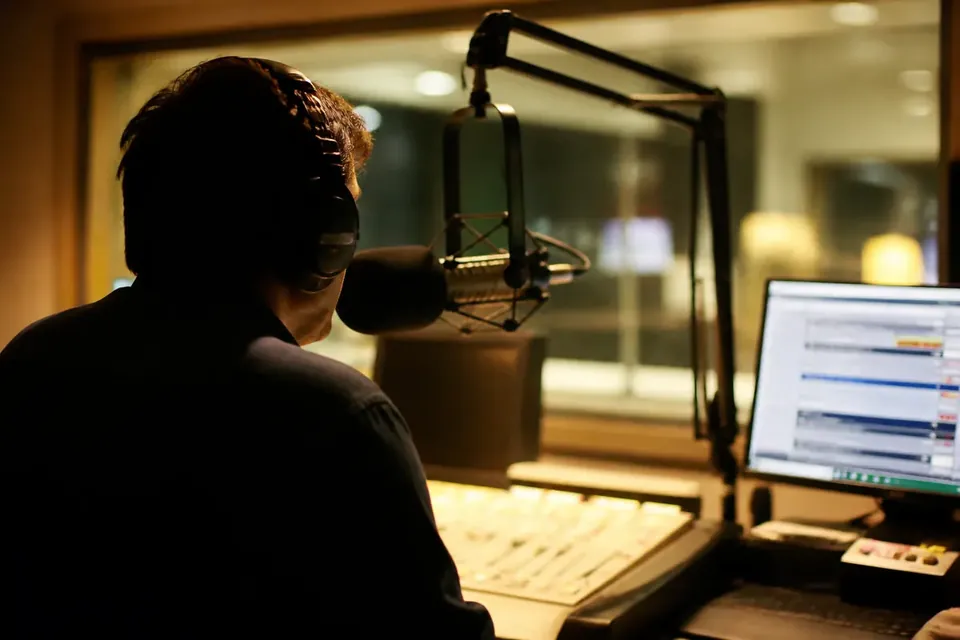
Cars, shops, and workplaces. Caribbean listening is ambient. Taxis, maxis, route taxis, hairdressers, hardware stores, and construction sites run radio as public sound. That is not the same attention as a locked phone screen, but it is repeated daily exposure at population scale.
Low data cost for the audience. Streaming music and YouTube radio require data plans and battery. FM receivers and station apps that cache or stream lightly still win in mixed-connectivity settings. HRG’s connectivity map shows regional internet penetration averaging around three-quarters of the population — high enough for digital ads, not uniform enough to retire terrestrial broadcast.
Age split is a feature for advertisers. Under 35: TikTok and Instagram time dominate. Over 35: radio and local TV news still clear national reach. Brands selling banking, insurance, groceries, politics, and household staples still need the second group. Hope’s market tables show Jamaica and Trinidad as large absolute spenders with radio shares near 20 percent and 18 percent of those national budgets respectively — real money, not a rounding error.
Creative production is local and fast. A morning-show live read can be on air the same day. That speed fits retail, fetes, concerts, and political rapid response better than a two-week Meta creative cycle — even though Meta wins on targeting precision.
Trust versus targeting. Digital’s advantage is measurement theatre and demographic slicing. Radio’s advantage is host endorsement and habitual presence. HRG still describes radio as the most trusted widely consumed traditional medium in its Caribbean framing. Trust is not a CPM. It is why a station voice can move a product that a stranger’s Reel cannot.
Ratings, research, and the data gap
Caribbean radio ratings are not a single Nielsen-night religion across all islands. Audience figures in public marketing often mix:
- Broadcaster-commissioned surveys.
- Agency and media-house estimates.
- Multipliers from group sales decks.
- Occasional all-media studies that age quickly.
Hope Research Group’s 2026 synthesis is valuable because it puts reach and listening in one comparable table and ties them to an ad-spend model. It is still a research product, not a regulator’s official currency. Buyers who treat a single station’s “number one” claim as gospel without asking sample, fieldwork date, and daypart are buying narrative.
The data gap has a second face: digital displacement is measured better than radio attribution. Platforms report clicks; radio reports reach. Brands that only fund what a dashboard can screenshot under-allocate to radio and then wonder why older cohorts never saw the campaign. The fix is mixed measurement, not pretending FM is unmeasurable — diary and survey methods exist; they are just less addictive than Ads Manager.
Digital radio is an extension, not a replacement
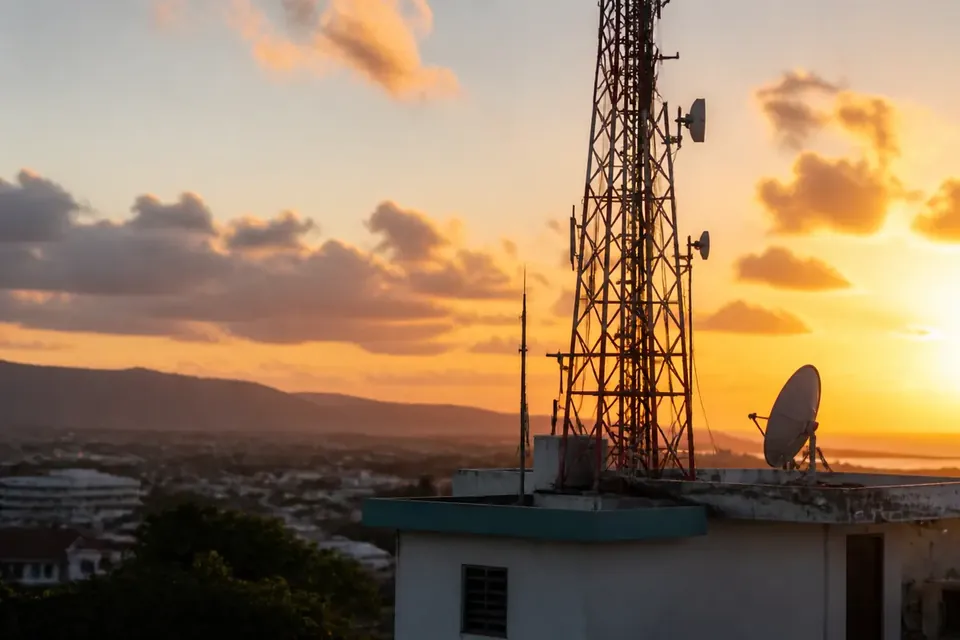
Stations stream. Apps exist. YouTube and Facebook carry show clips. Clips of arguments from morning talk become engagement bait. That hybrid behaviour sometimes fools strategy decks into declaring “radio is already digital.” Distribution of clips is digital; the appointment listening and simultaneous reach of a drive-time show remain broadcast economics.
Caribbean Development Bank and industry competitiveness discussions have flagged online radio growth and innovation pressure for years. Streaming extends diaspora listenership and gives sales teams a second inventory. It does not automatically transfer the 4-hour daily habit of a Kingston or Port of Spain adult into a programmatic audience segment. Diaspora streams also complicate rights — public-performance licences and online music licences are not always the same product, a seam that matters for music owners as much as for stations.
How this sits next to the ad spend story
Our ad spend 2026 brief makes the complementary argument: digital is 38 percent of budgets and rising; Meta takes about 55 percent of digital; owned pages and WhatsApp support lag the spend. Radio’s role in that map is the counterweight. If you only read the digital chapter, you will overbuild Reels and underfund the medium that still reaches four-fifths of adults before lunch.
Practical mix implications that follow from the public figures:
- Use radio for reach and trust among 35-plus and for same-day retail or event pushes.
- Use Meta/YouTube for targeting, retargeting, and creative testing.
- Do not dump radio traffic into a dead landing page — the owned-surface problem is channel-agnostic.
- Keep music reporting and licences honest if your format is music-driven; the creative economy’s collecting layer depends on it.
What to watch
Watch whether radio’s share of the ~US$1.2B regional ad pool erodes faster than HRG’s mild traditional decline rates once streaming and short-form take more 35–44 listening. Watch ownership consolidation and combo pricing as groups defend margins. Watch whether stations professionalise first-party data (apps, contests, WhatsApp clubs) enough to sell hybrid packages without surrendering the trust premium. Watch political and public-service buying in election cycles as a leading indicator of who still believes in FM reach.
For now, the citable core holds. Caribbean radio still reaches most adults daily, still commands a meaningful slice of ad budgets, and still sits inside private media groups that sell trust and habit. Digital owns the growth curve and the creative conversation. Radio owns the ambient hours. Brands that treat those as enemies rather than complementary tools misread the 2026 public record.